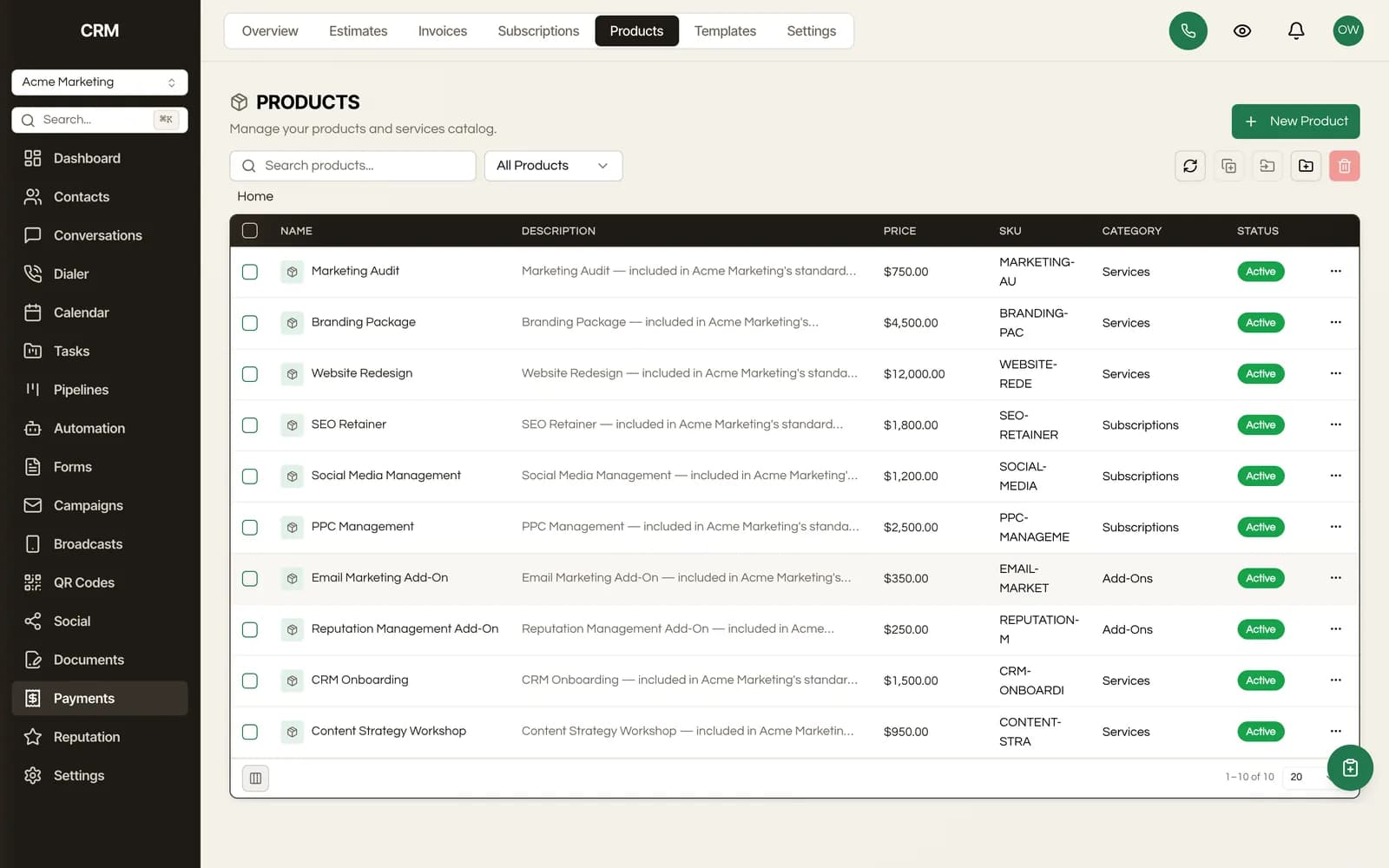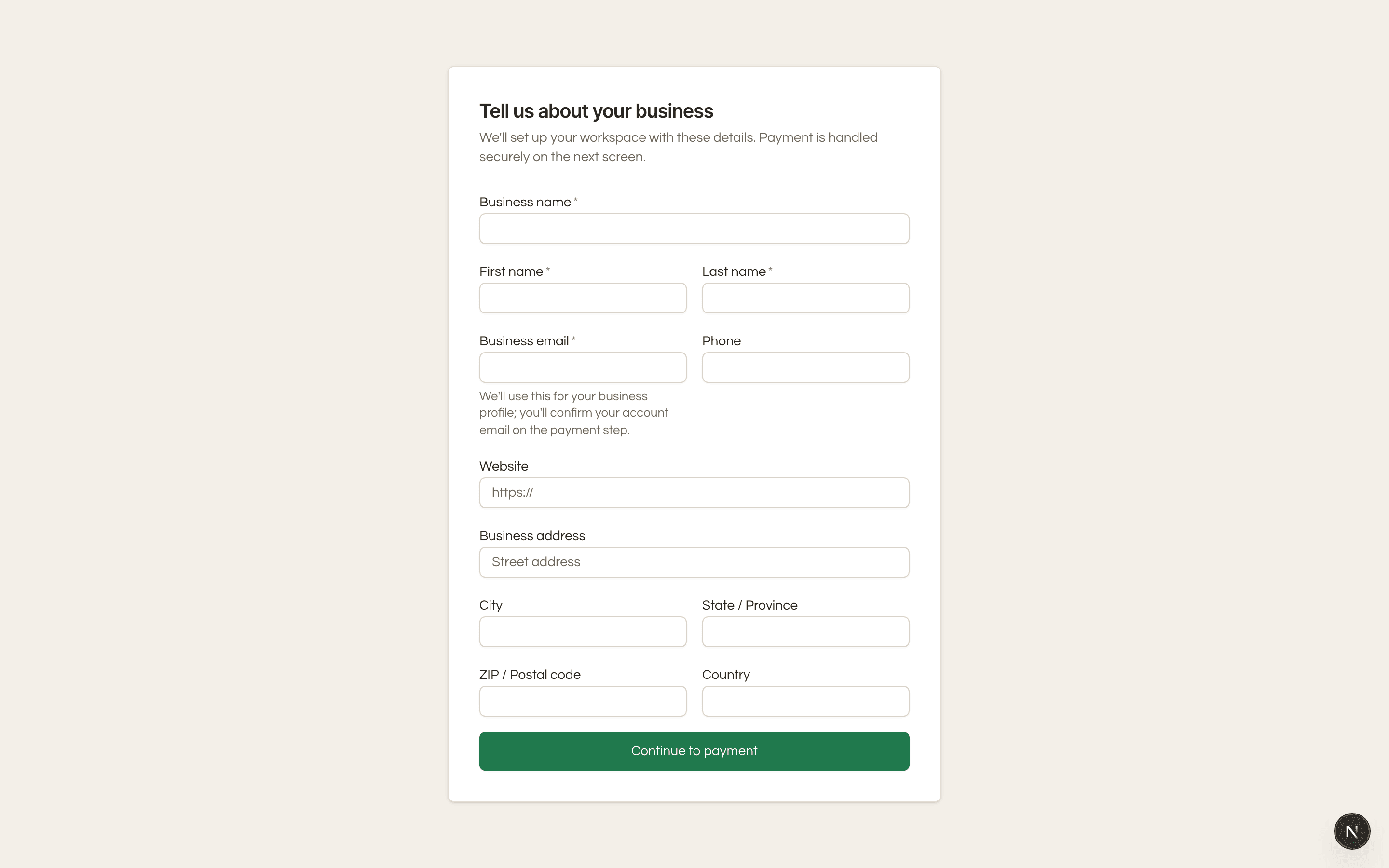

A $27,212.50 custom development project was successfully delivered to a client with Seedly as the foundational building block, about 60 hours of development time and $200-300 of Claude Code credits.
Delivered a $27k build on it
Join the Seedly owners community →You are not buying alone. Seedly owners trade setups and share add-ons. Join the community →
Package the CRM into tiers, put them behind a public checkout link, and let it provision the account, gate the features and take the payment. You keep every dollar.


One payment. Full source code. Unlimited seats, every client, forever.
Don't take our word for it. Take theirs.
Every review 5 out of 5 on Trustpilot. These are agency owners who made the same $1,499 decision you are weighing, in their own words.
Read every review →What It Does
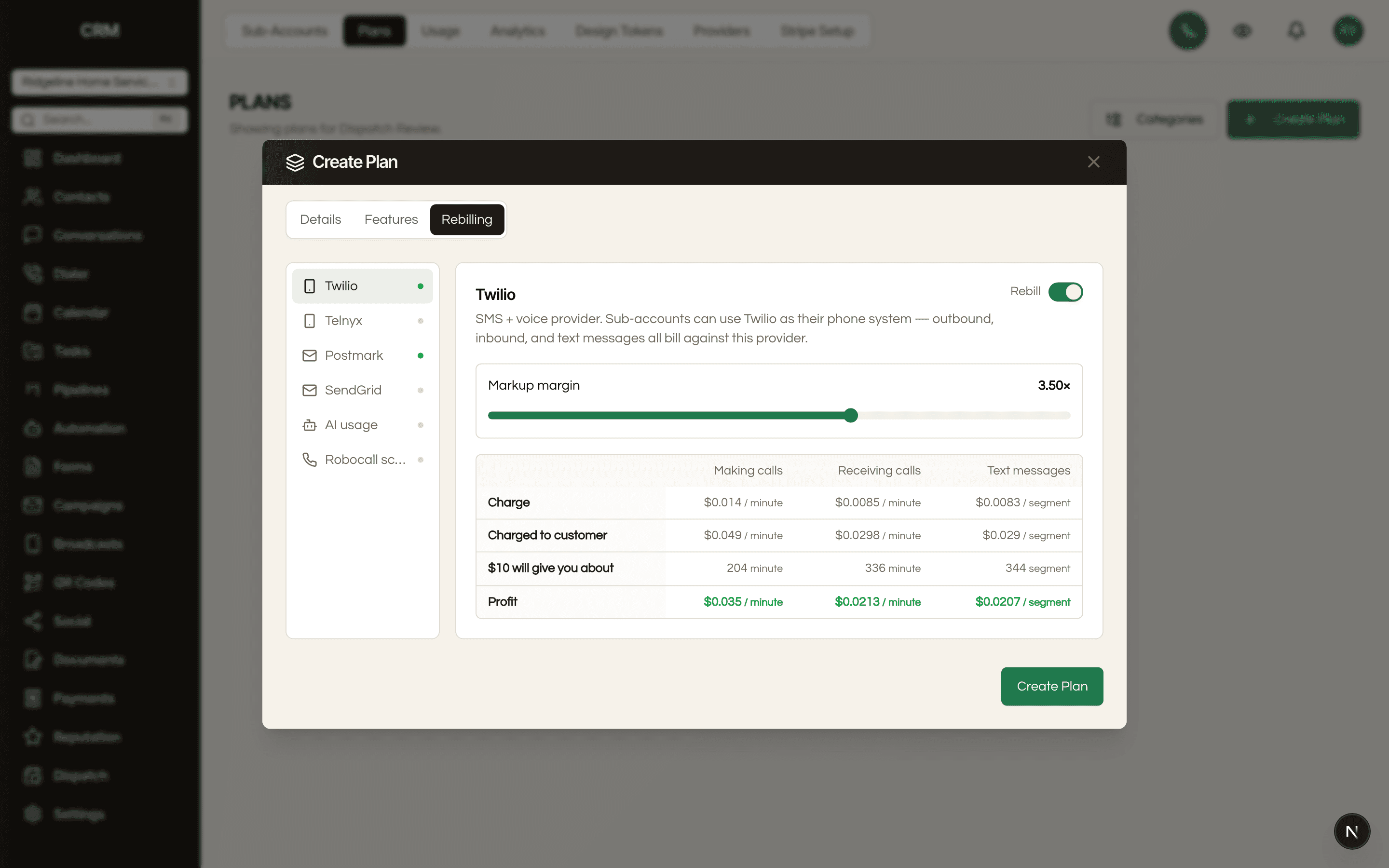
Define as many plans as you want, each with a monthly price, an annual price, a free-trial length and a setup fee, in your own currency. There is no revenue share and no per-account fee going anywhere, because you bought the source. The difference between what the CRM costs you to run and what you charge for it is the entire business, and all of it is yours.
See it

How It Works
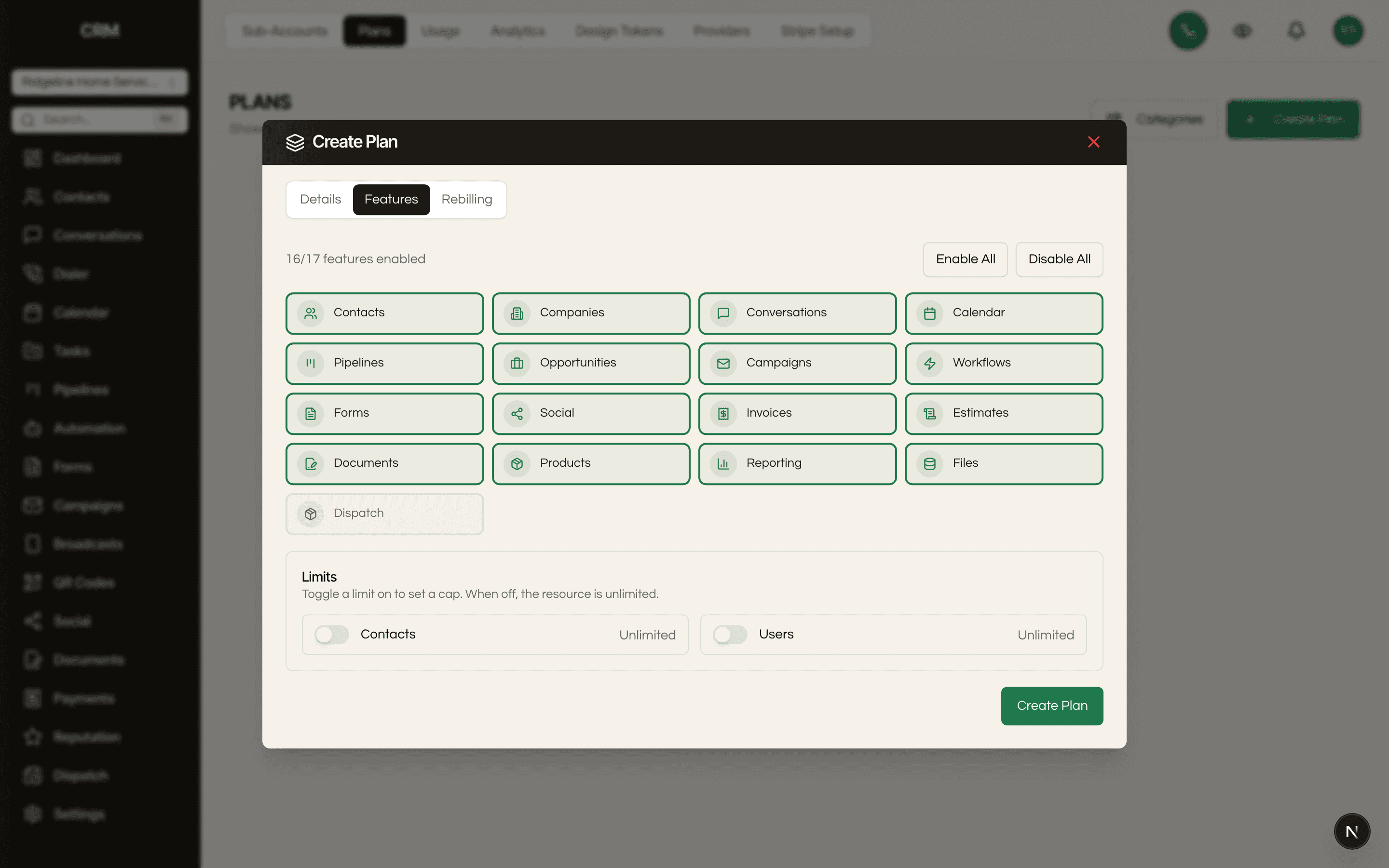
Create a plan, set its monthly and annual price, add a trial and a setup fee if you want them, and pick the CRM features that tier includes. This is the moment you stop selling your time and start selling a product.
Every plan gets a public checkout link. Put it in a proposal, behind a button on your site, or in an ad. The buyer fills in their business details and pays.
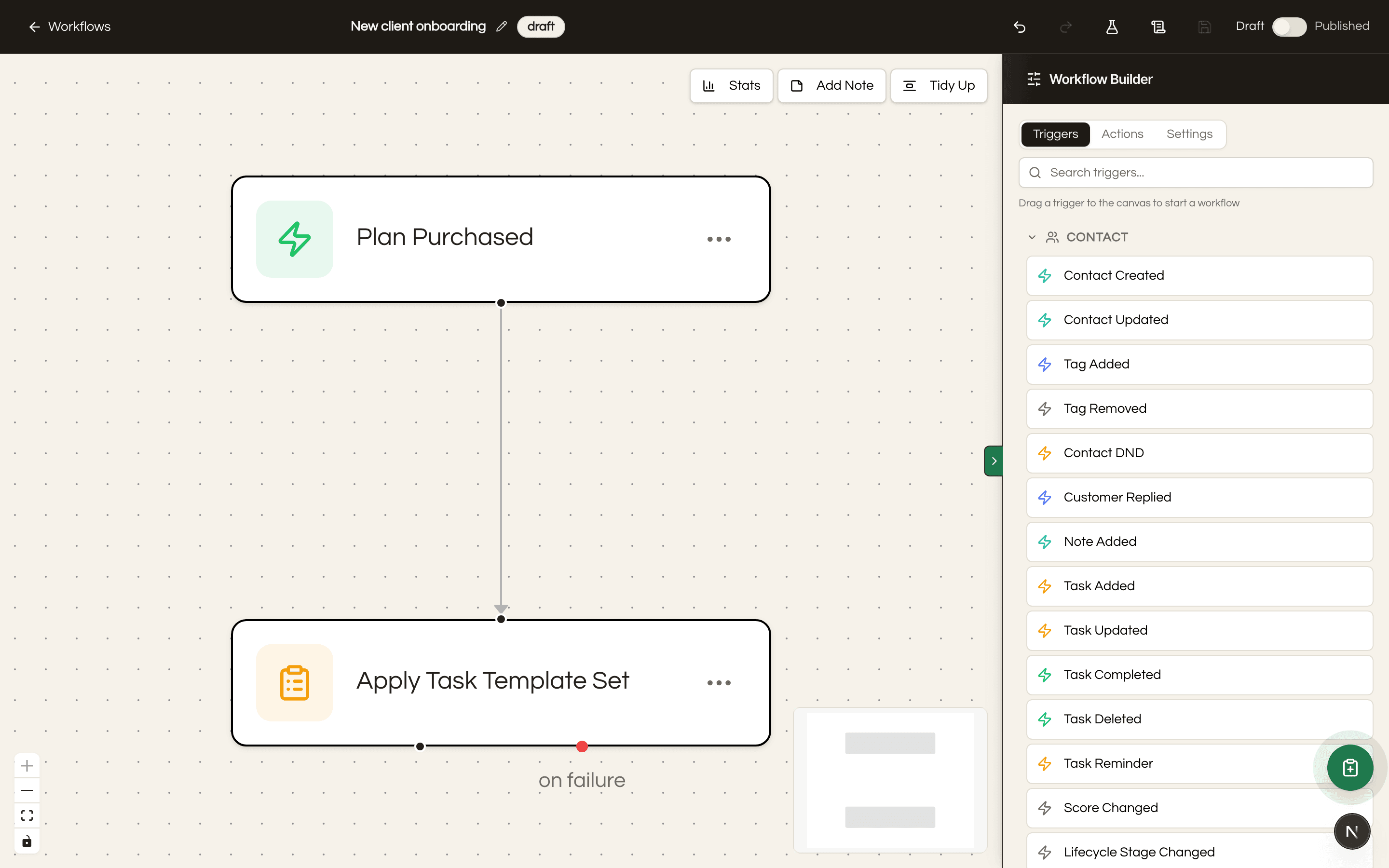
The sale provisions the client's account with the feature set you sold, fires whatever workflow you have on a paid plan, and can create their onboarding checklist from a template set so the first week of work is already on the board.
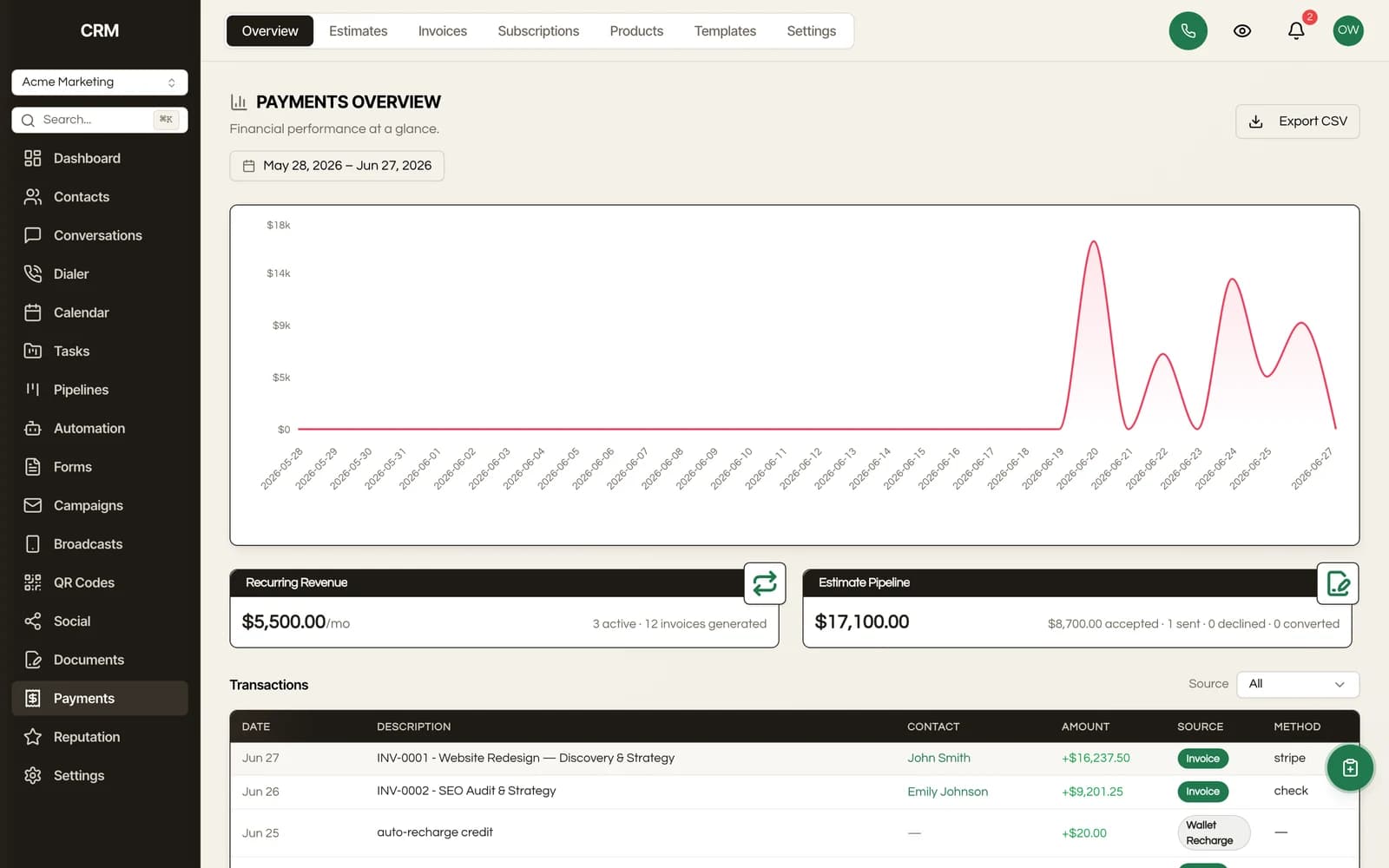
Renewals and failed-payment chasing run on your own Stripe. Your cost to run that client is your infrastructure bill; everything above it is margin, and no platform takes a percentage of it.
The reseller programs know it too, which is why they will happily let you sell their CRM for a commission while they keep the account, the renewal and the relationship. You do the selling and the supporting, and the recurring revenue lands on somebody else's balance sheet.
Owning the source flips that. The plan is yours, the price is yours, the Stripe account is yours, and the client is yours. Adding the eleventh client costs you nothing per seat, because there is no seat metering in the code to charge you with.
The part people underestimate is the feature gating. Being able to make Starter genuinely less than Pro is what turns a price list into a ladder, and a ladder is what makes a client's bill go up over time without you renegotiating anything.
And because it is your code, a plan can gate something you built yourself. That is the ceiling every reselling agency hits and the one thing a rented platform can never let you past.
You own the plans, the prices and the Stripe account. Every renewal is yours.
The Rest Of The Garden
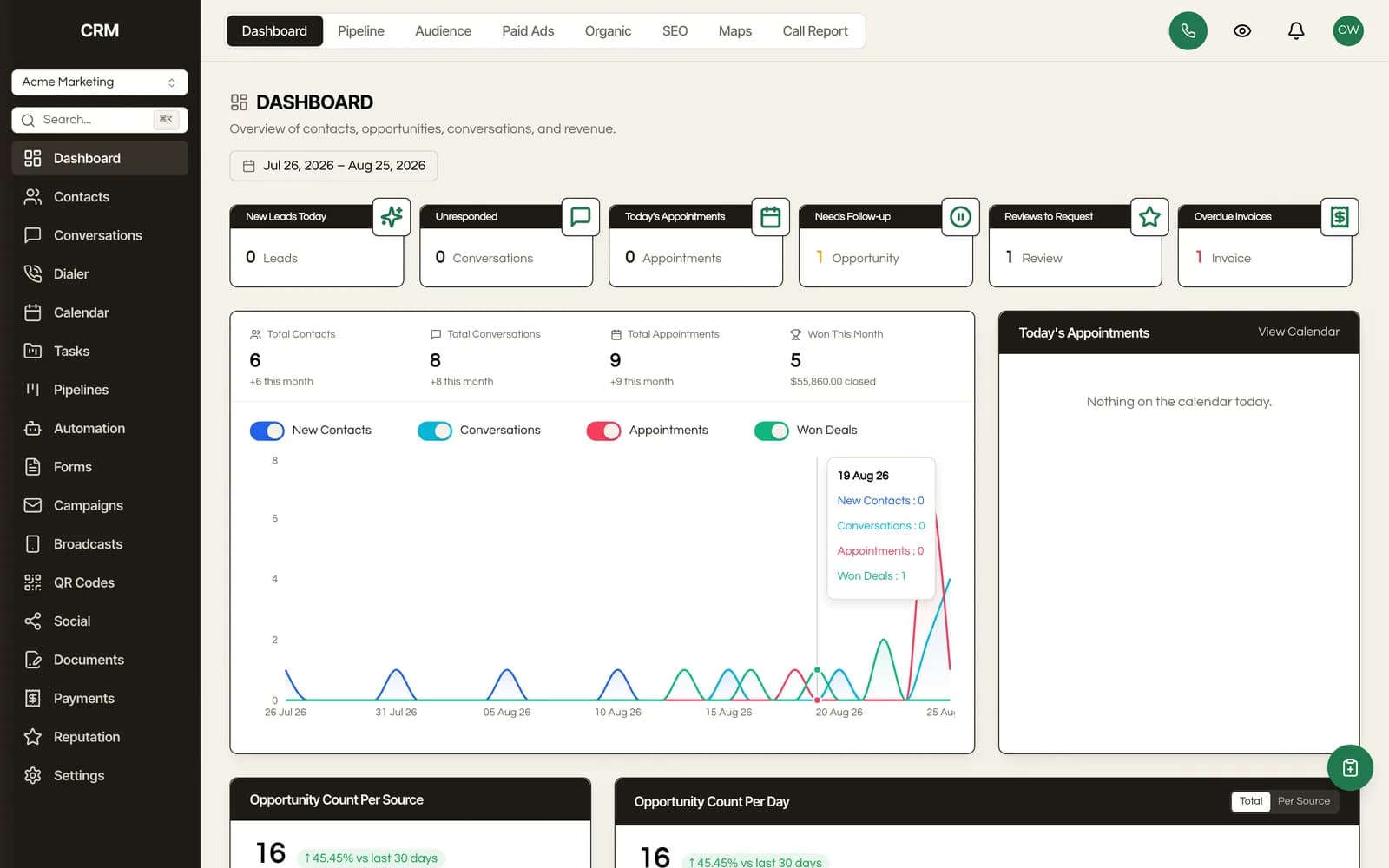
Every module ships in the same source code you own. Slide through the rest of the garden.
FAQ
Yes. You package the CRM into your own tiers, price them, and sell them under your brand. The commercial license included with your purchase covers rebranding and reselling, and the plan engine is the machinery that does the selling and the provisioning.
No. There is no revenue share and no per-account fee. Payments run through your own Stripe account, so the money never passes through anything of ours to be shaved on the way. You bought the source once; what you do with it is your business.
Yes, and this is the part that makes a plan ladder work. Each plan carries the set of features it enables, so a Starter tier can genuinely be a smaller product than Pro rather than the same thing at a different price.
The change is validated first and takes effect at the end of the billing period, so there is no surprise prorated charge. That is a deliberate choice: mid-cycle proration is one of the most common reasons a client emails to argue about an invoice.
Not unless you move them. A plan can carry grandfathered Stripe products and prices alongside its current ones, so the deal you gave your first ten clients survives your rate rise. A payment that does not match a known price raises an alert rather than being accepted quietly.
Yes. The sale provisions the sub-account with the feature set that plan includes. From there a paid plan can fire a workflow and create the client's onboarding checklist from a task template set, so the welcome email, the internal alert and the first week of work all start themselves.
Yes. A plan carries both a monthly and an annual price, plus an optional trial length and setup fee. Annual billing is usually the fastest way to fix an agency's cash flow, so it is a first-class option rather than an afterthought.
Archive it. Clients already on it keep working, and you can bring an archived plan back later if you change your mind.

One-time payment. No subscriptions. No renewals.
Secure checkout via Stripe. Your license key is emailed instantly.